” I never met a Kentuckian who wasn’t either thinking about going back home or who hadn’t actually gone back home.” – Kentucky Senator AB “Happy” Chandler.
There’s nothing quite like the beauty and comfort I find in my home state of Kentucky: from the state’s signature bluegrass and stunning Red River Gorge canyons to the “Bourbon Capital of the World” sign that tells me I’m almost home when I visit.
These places represent my roots and growth, where I became my authentic self.
I grew up on a farm nestled among the hills and world-renowned bourbon distilleries of Kentucky’s Knob region and couldn’t wait to move to the city (Lexington, Kentucky) after graduating high school. I spent eight crucial years between the horse farms and bluegrass fields of Lexington, completing my bachelor’s and master’s degrees.
Reflecting on this pivotal period of my life, the rugged terrain and untamed horses remind me of the obstacles I overcame as a first-generation scholar and the passion that fuels me (almost) every day. As I discovered more about my identity during those years, the intricate canyon system of Red River Gorge, with its massive boulders, sandstone cliffs, and waterfalls, has come to exemplify my journey of discovering and accepting my homosexuality. Every step and breath I took, among the leaves and the water, represents new and exciting spaces that I am continually exploring and understanding within myself.
I’d be lying if I said I’ve always felt this way about Kentucky. My love for it is the kind that has evolved over time, leading me to move and realize that the “complicated relationship” status can apply to more than just a romantic partner.
Unfortunately, as a lesbian woman, this state and its people haven’t always been kind to me. I grew up in an environment that made me ashamed of who I was, an environment that refused to acknowledge my identity or my basic human rights.
From a young age, I was told that being gay was wrong. I never saw same-sex couples. And homosexuality was spoken of in whispers and with discomfort; people at barbecues gossiping about this person’s cousin’s best friend, or about that reserved neighbor who keeps things to himself.
I have struggled to feel worthy because of the guilt and shame I feel for being gay, because many of my loved ones have erased and continue to erase my identity. They reduce me to simply being “liberal.” They have never asked me about my sexual identity, but they love to ask where my friend is during family gatherings. They leave me feeling guilty for being the “problem” girl.
Being in that environment made me hide parts of myself. I concealed parts of myself, hiding them so well that even I forgot they were there. Then I spent adulthood searching for my dignity. I had to discover my true self, to decipher the parts I created to make the world happy and the parts that truly represent me. Gay readers know exactly what I’m talking about.
My personal quest for dignity and equal rights connects me to those who often experience stigma and are stripped of their dignity. It shapes and drives my work as an environmental health scientist as I seek to address the environmental and social conditions that impact a person’s ability to access water, sanitation, and hygiene while experiencing homelessness. Because of my struggles and experiences, I now actively and intentionally ground my work in dignity and human rights. Just as I have been given the opportunity to be proud of my homosexuality, people experiencing homelessness deserve to feel respected, valued, and seen regardless of their housing status.
Beyond “the basics”
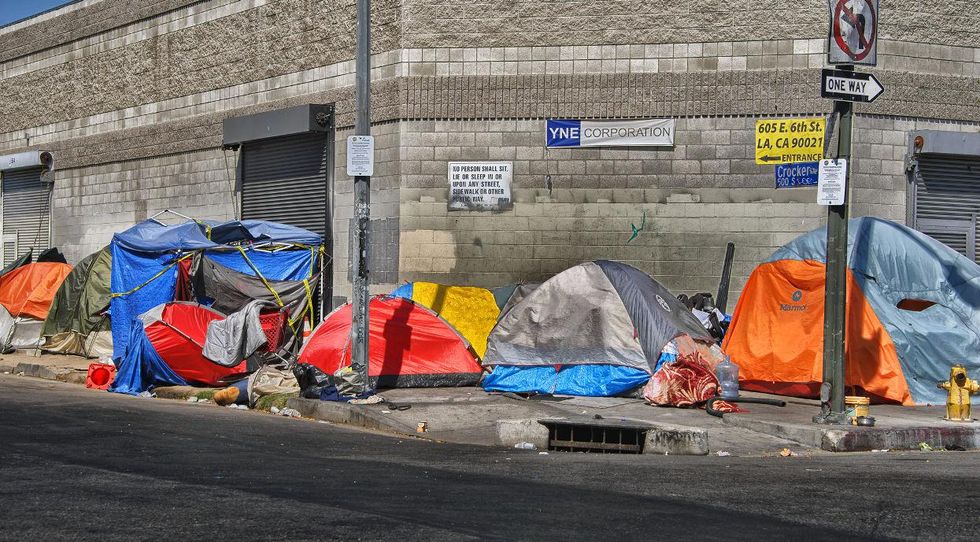
Homelessness is an ongoing national crisis affecting 2.3 to 3.5 million people in the United States each year . Economic conditions during the COVID-19 pandemic may leave hundreds of thousands more homeless: just last week, 85 million households struggled to pay their usual household expenses, and 14.3 million adults living in rental housing are behind on their rent, according to data collected in December.
When we talk about the struggles and needs of homeless people ( more information on the importance of person-centered language can be found here ), we often focus on “the basics”: food, water, heat, and clothing. And while these are essential for survival, this approach defines our needs as human beings too narrowly and fails to include dignity. We fail to ask:
Where can homeless people get drinking water?
What else do they need water for (personal hygiene, washing their hands) and where can they get it?
Is clothing alone enough, or do people need to bathe regularly and have clean clothes to meet their basic needs?
Where does sanitation (or toilets) fit into this? Where do homeless people urinate and defecate? Why do they use these places?
And what are the physical, mental, and emotional impacts of all this?
The dignity of people who are destitute in relation to water, sanitation, and hygiene is rarely discussed in the U.S. This is because national estimates indicate that U.S. citizens have near-universal (>99 percent) access to basic water and sanitation services, and because we rely on toilets and laundry facilities primarily within our homes—all in one place.
Like many of you reading this, I wake up every morning and walk down the hall to brush my teeth in the bathroom. I drink tap water in my kitchen. I urinate and defecate using my toilet and wash my hands in my bathroom. And I shower in that same bathroom at night before going to bed. All these movements are done without thinking, except for those caused by being overwhelmed by expensive period products (the “tampon tax”) and buying toilet paper (#thankscovid19).
This is not the reality for homeless people.
In contrast, those living in encampments in Fresno, California , walk a mile and a half to access the nearest sources of drinking water. They are forced to urinate and defecate in public because there are no public restrooms nearby and are denied access to facilities at local businesses.
Women living in shelters and on the streets of New York City face an insufficient number of clean, functioning, safe, and private toilets, as well as an inadequate supply of items such as toilet paper and menstrual products. They also report a loss of dignity because they have to wash their bodies in restrooms at places like McDonald’s. They experience stigma and shame due to the possibility of menstrual blood loss and odor as a result of being unable to change and bathe as needed.
And these difficulties extend beyond the city limits, impacting the growing number of rural populations who find themselves homeless, although limited research has focused on homeless people in rural communities.
Whether in large metropolitan areas or the rural Appalachian Mountains, we too often fail to consider the circumstances that homeless people face every day and how our research, programs, and policies can contribute to those circumstances. We assume that if we build facilities, they will come, but the result is ineffective approaches that contribute to lowering self-worth and self-esteem among those experiencing homelessness.
But there is a way forward. By using harm reduction approaches grounded in justice and human rights, and by centering homeless people in our decision-making and policies, we can create humane and equitable approaches to addressing the water, sanitation, and hygiene needs of homeless people, as well as the emotional needs related to mental and physical health that result from unmet needs. My early work in Appalachia helped me reimagine what good work in public health can look like.
Reflections from Appalachia
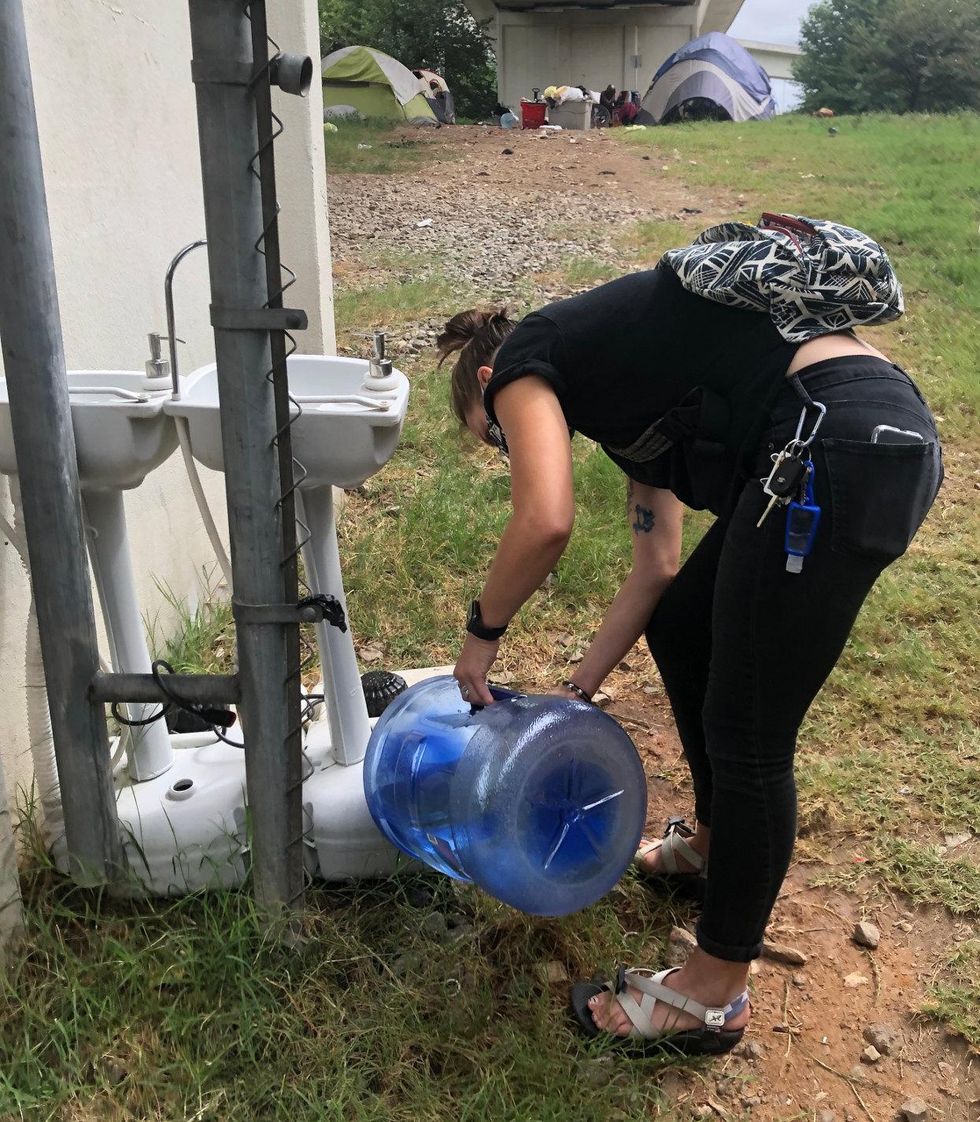
My work with water, sanitation, and hygiene among those without stable housing began amidst the mountains and hollows of the central Appalachians, where the opioid epidemic has hit hard and there are scarce social, economic, and healthcare resources.
After graduating from my master’s program, I began working as a research assistant in Appalachian Kentucky. While working on projects focused on controlled substance use, I spoke with many homeless people and then conducted a study to understand their experiences with water, sanitation, and hygiene—the first of its kind in rural America.
I was also tasked with co-hosting outdoor community meals to get involved and recruit participants. People would stop by for free food and stay to joke around and have some fun.
It took some time for people to open up and overcome their skepticism. After all, I was handing out free food in random parking lots. But over time, my relationships with people grew, as did the depth of our conversations.
Over time, I heard many stories from homeless people and people who use drugs. I heard people describe their deep need for dignity and respect; I noticed their need for eye contact, for their names to be remembered, and to be treated as human beings.
One woman’s words in particular stuck with me. She explained the impact that other people’s hurtful words had on her, saying that once you hear something enough times, you start to believe it. “They look at you like you’re crazy or that you wouldn’t be in the situation you’re in, but you don’t have to be crazy to be poor.”
It was through these stories and the journey toward my own identity that I realized the importance of dignity. I realized the importance of listening to the people I wanted to help.
Now, as a scientist and environmental health professional, I seek to develop public health strategies that reduce the harms associated with homelessness, such as providing hand soap to prevent the spread of coronavirus or providing sufficient supplies of menstrual products for personal health and hygiene to prevent reproductive tract infections and the stigma surrounding menstruation. I strive to place dignity at the center of my work by asking people questions like, “What do you want?” and “How do you want it?”
Reimagining approaches in public health for the homeless
I have integrated these principles into my own work now in Atlanta, Georgia, the city with the greatest income inequality in the entire United States and a growing homeless population .
During the pandemic, I’ve been delivering hygiene supplies, menstrual products, and contraceptives to people experiencing homelessness alongside my colleagues—what we call “dignity packs.” The products provided allow people to meet their basic needs, prevent the spread of the coronavirus, and promote sexual and reproductive health. Our research team gathers feedback through interviews, and we adjust the content and our approach week by week based on the input of people experiencing homelessness. This approach empowers people experiencing homelessness to determine which products are available to them and how they receive them.
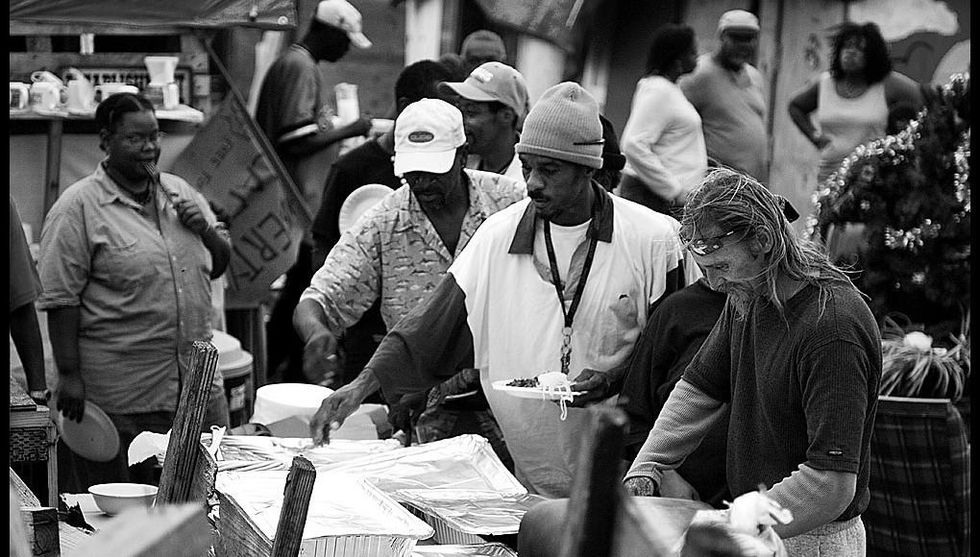
Direct feedback allowed us to shift away from traditional, standardized, pre-packaged hygiene kits. Instead, we set up a table where local organizations provided food. We let people select the items they wanted (humanism) to meet their immediate needs (pragmatism), such as grabbing bars of soap to wash their hands and bodies. We allowed anyone (human rights) to take any item without requirements or questions (autonomy).
We are proud of our efforts, but across the United States there is still much work to be done. Shelters and private businesses struggle overwhelmingly to meet the water, sanitation, and hygiene needs of the homeless; both fall short of meeting critical human needs due to conditions that inadvertently perpetuate stigma.
Shelters are necessary and often well-intentioned; however, their limited capacity and scarce resources lead to conditions such as broken and dirty toilets, inadequate supplies of hygiene products, and a lack of privacy, leaving those seeking services feeling degraded and devalued. Requirements for accessing resources and facilities, such as “a desire to stay clean” and “actively working to end homelessness,” promote and perpetuate stereotypes. And businesses that screen those requesting to use the toilet and deny access to those they deem unacceptable contribute to the extreme marginalization experienced by people experiencing homelessness.
As researchers and public health professionals, it is our job to make and demand improvements
We need to demand government support and funding to ensure access to water, sanitation, and hygiene for the homeless. We need to expand existing approaches to reduce the burden on shelters and privately owned businesses. And we must reinvent our strategies; we must focus on dignity.
This means using pragmatic approaches: seeking to reduce harm (infectious disease) as people continue to experience homelessness, recognizing that eliminating homelessness may not be achievable or desirable.
This means employing humanistic approaches that value respect, worth, and dignity for homeless people. People should be sought out where they are, and stigmatizing language and policies should not be used.
This means allowing autonomy, respecting the decisions people make, even if those decisions may harm themselves. No preconditions should be imposed for receiving services, and behaviors (such as drug use) should not be prevented, as this can deprive a person of autonomy and cause distress.
This means protecting human rights by providing equitable, non-judgmental, and evidence-based services, without conditions. No one should be excluded because of their homelessness, drug use, sexual orientation, or race.
My search for dignity, which began within the borders of the Bluegrass State (the Bluegrass region’s hills, the Red River Gorge cliffs, and the Appalachian Mountains), has helped shape me as a public health professional and reimagine what dignity-centered work in public health should be. By leveraging harm reduction principles (pragmatism, humanism, autonomy, and human rights) and placing vulnerable people at the forefront of decision-making, we can create equitable and effective public health interventions that empower the people we are trying to help.