
For more than 150 years, from the rural South to northern cities, Black people have used farming to build self-determined communities and resist oppressive structures that tear them down.
Today, agriculture still serves an important role in the lives of Black people, which is why we see urban agriculture projects and programs in Philadelphia, Detroit, and Washington D.C. and other cities across the United States. In all of these cities, there are Black-led organizations cultivating food and land sovereignty by helping individuals and communities regain agency and ownership over their food system.
My journey in food and land work began long before I was born. My ancestors were enslaved Africans forced to farm under abhorrent conditions in South Carolina, Texas, and Georgia. In 2012, I started my first professional job working at a food justice and nutrition education non-profit in Philadelphia. I worked with youth from across West Philly to explore connections between food, agriculture, culture, sustainability, and leadership.
I first developed a passion for food sovereignty and agriculture at the Black Farmers Conference in 2013. Dr. Monica White, author of Freedom Farmers and professor of environmental justice, was the keynote speaker. She spoke of Black farming cooperatives in the South and how they connect to Black folks growing food in cities today.
What I learned is that farming is not new to Black people. While some dominant modern narratives talk about urban agriculture as an innovative way to build community and fight food insecurity, Black folks in this country have been growing food in cities for as long as they have lived in cities. Before that, our ancestors lived in deep relationship with the land. For the first time in my 22 years, I understood that growing food is a tool for dismantling systemic oppression. I also realized that Black academics have a critical role to play in agricultural resistance and freedom movements; and it was in this moment that I decided to apply for graduate programs.
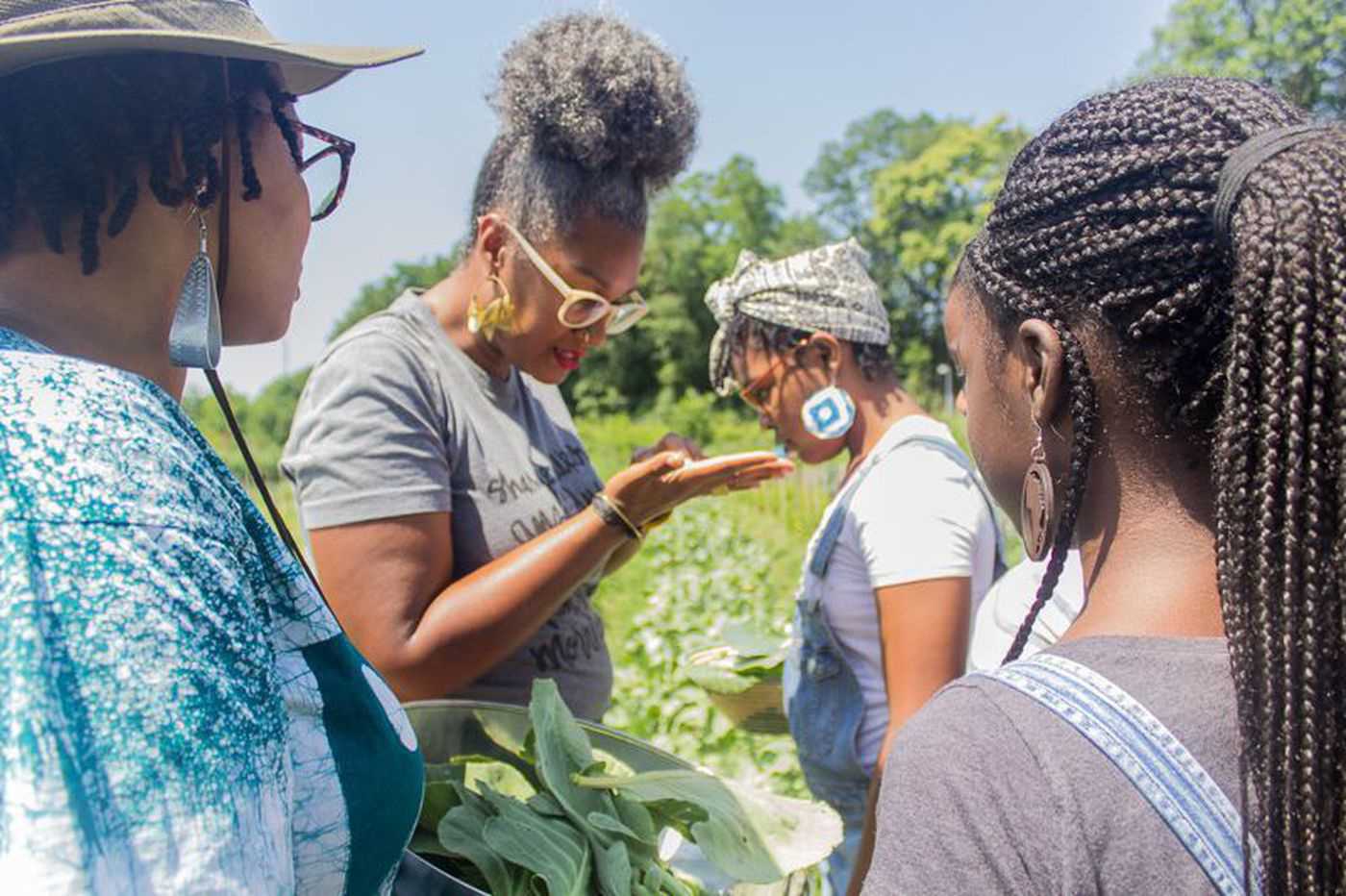
As a PhD candidate, I am exploring and understanding the ways that urban agriculture impacts the mental health, spirituality, and collective agency of Black communities using a wide range of analytical tools such as mapping, focus groups, and spatial analysis. In some cases, I am developing new survey and measurement tools specifically for these communities and this context. I engage in this research using an environmental justice approach, grounded in racial justice, history, culture, and community participation. Before we even begin to do this research, it is important for us to understand the roots of Black farming.
Black farmers across the South created cooperatives largely in response to the anti-Black government and society; in response to supermarkets not serving Black customers; in response to White people terrorizing Black folks when they tried to register to vote. These cooperatives were a means of providing economic autonomy, political education, and collective agency to Black people in the South.
Hear more from the author on our podcast:
This limited perspective views White community gardens and urban farming alone as acts of social justice, which is problematic because it inadvertently attempts to erase the decades of urban agricultural practices, resistance, and activism that Black communities have engaged in.
White-led urban agriculture projects receive the majority of grant and institutional funding. This further replicates the cycle of narrative dominance, White land ownership, and the physical exclusion of Black and Brown folks from access to land, wealth, and resources and we must use our tools, resources, and privileges as researchers to stop this cycle.
Resilience in the face of exploitation
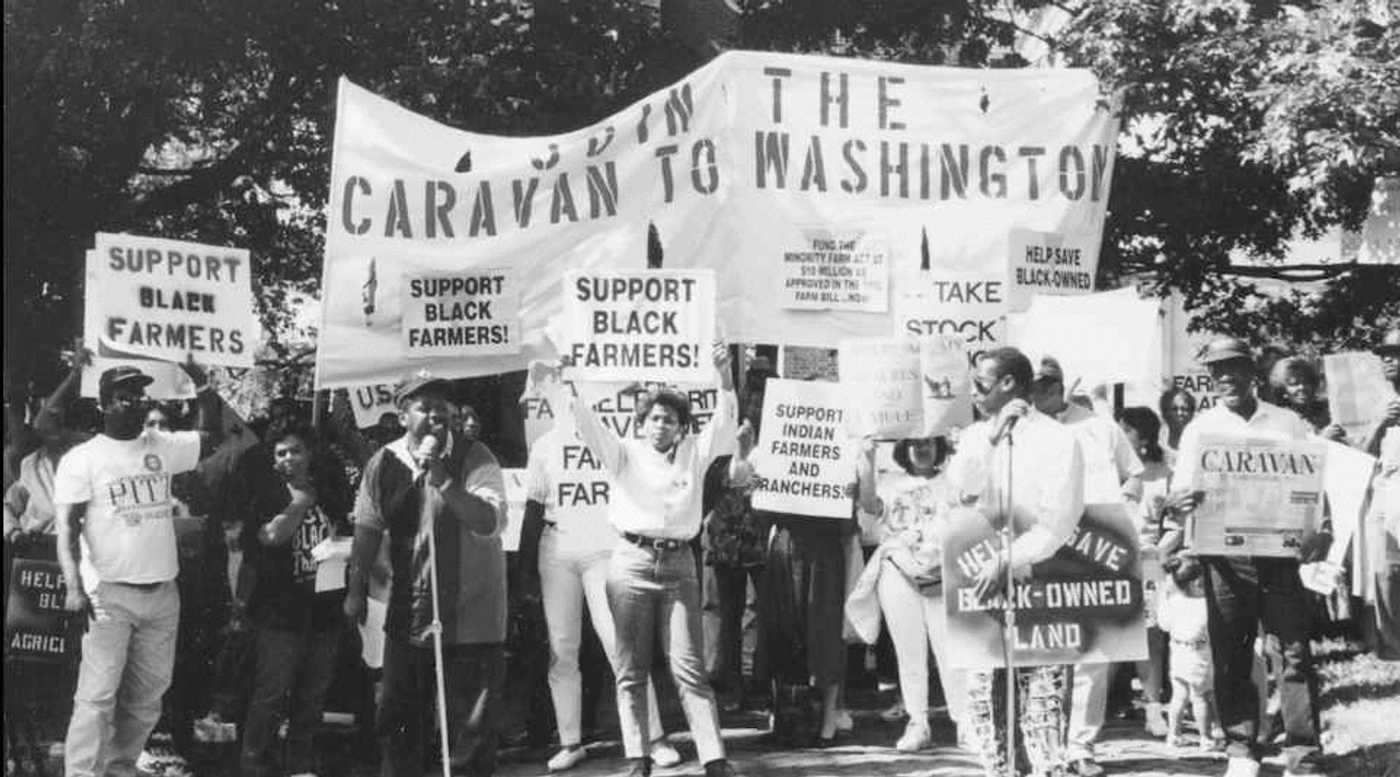
In the decades following the Civil War, Black folks sought to acquire land as a means to provide for themselves, their families and communities, and become independent of previous slave and plantation owners. But they faced many obstacles. White landowners and merchants routinely denied Black farmers access to private credit.
They were instead often offered exploitative sharecropping or rental agreements. This resulted in many Black farmers being unable to keep up with mortgage and debt payments. They were often forced to sell their land for far less than what it was worth.
Can we pause and talk about resilience?
Despite these many concerted efforts to thwart Black farmers, they still acquired more than 16 million acres of land at the height of Black farming in the U.S. in 1920. There were more than 5.1 million Black farmers who made up 14 percent of the overall farming population.
Over the proceeding decades, terrorism, Jim Crow, and increased industrialization in northern cities drove many Black people from the South to places like Philadelphia, Washington D.C., and Detroit. From 1920 – 1997, the number of Black farmers declined by about 95 percent nationwide.
However, Black farmers did not sit idly by while their communities and livelihoods were attacked. They organized. And protested. And rallied. In 1997, they brought a lawsuit against the U.S. Department of Agriculture in the Pigford v. Glickman case for decades of alleged discrimination. This resulted in one of the largest civil settlements in US history of $1.2 billion.
This may seem like a generous amount, but it isn’t once you consider the tens of thousands of Black farmers who faced discrimination at the hands of the USDA. The average amount a farmer could request was $50,000. After losing hundreds of thousands of dollars in farming equipment, land, seasons, and harvests, that doesn’t even put a Band-Aid on the wound created by the USDA and anti-Black racism.
Today there are about 45,000 Black farmers in the U.S., making up only 1 percent of the farming population, and owning far fewer acres of land compared to 1920. This happened through a series of USDA discriminatory policies and procedures such as Heirs Property, unjustified loan and crop insurance denials, and blatant prejudice like forcing Black farmers off their land.
The Great Migration, while often solely and incorrectly attributed to job opportunities, occurred because Black people were being hunted and terrorized by racist mobs in the South. This too contributed to the decline in numbers of Black farmers.
Surviving, thriving, and self-determination
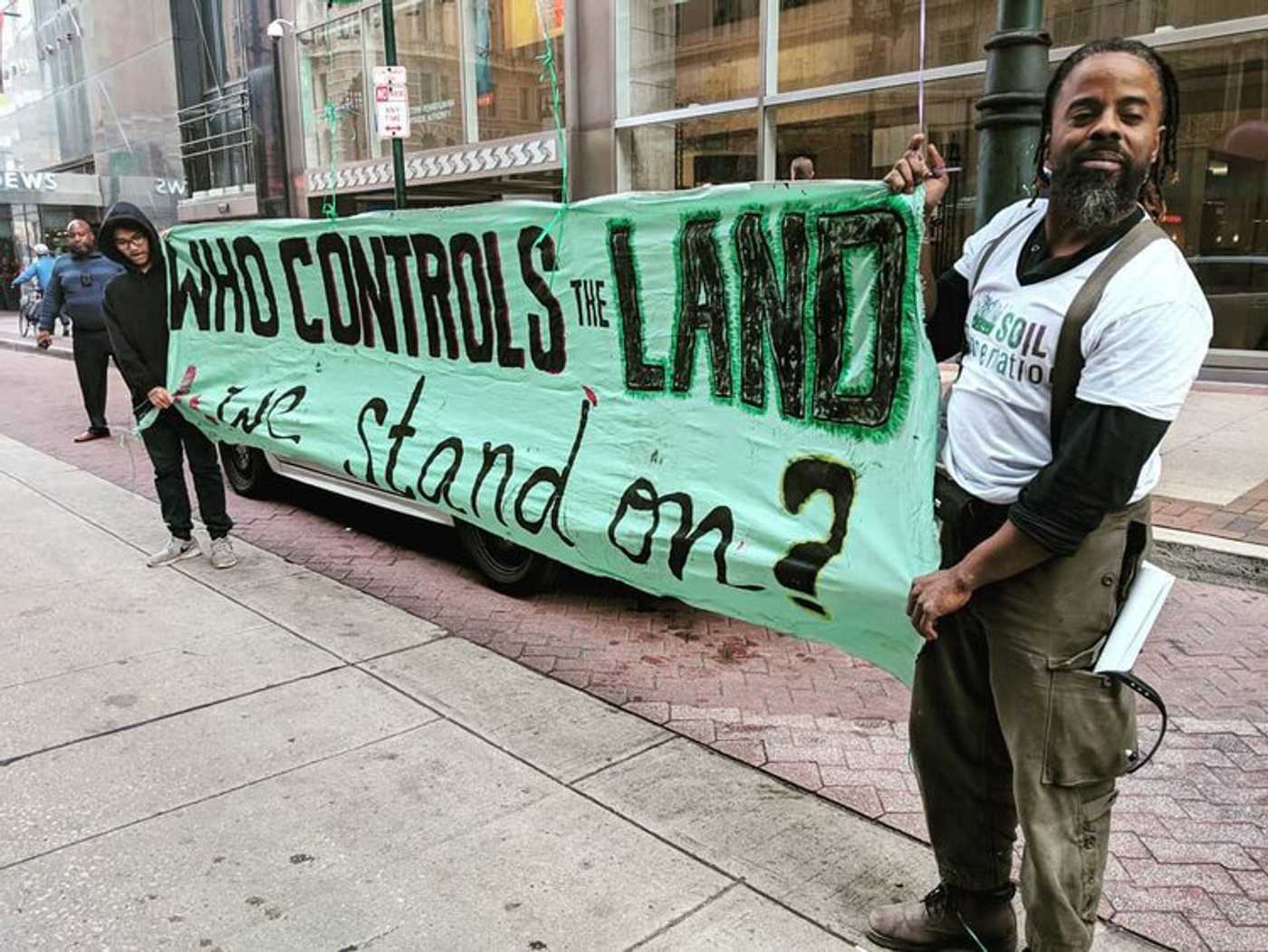
Black farmers and gardeners continue to push for their community’s right to self-determination, to survive, and to thrive. In my hometown of Philadelphia, food justice activists and urban growers protest to save their farms and gardens, although city council control of land sales often make it hard for community members to contend with wealthy developers.
These growers and activists understand that, in a city where 81 percent of food stores offer mostly unhealthy food choices, a major key to population health and collective healing is having control over what goes in our bodies. Data have also shown that those unhealthful food stores are disproportionately located in Black neighborhoods. Unsurprisingly, heart disease is the leading cause of death in Philadelphia.
Heart disease is what the doctors listed on my father’s death certificate just over a month ago. They ruled that as the cause of death, despite the neglect, negligence, and implicit healthcare bias that likely contributed to his passing.
Diet-related illnesses are often attributed to individual behavior and poor lifestyle choices, but the reality is that these illnesses and deaths are the result of systemic racism.
Black people in Philadelphia disproportionately experience targeted unhealthy food marketing, lack of access to healthcare, and inadequate educational systems—all of which can lead to mental and physical health challenges.
These challenges are exacerbated by pandemics like COVID-19, where practitioners make choices, often rooted in racism, about who lives and who dies. Whose life is valuable and whose life can be discarded. Pandemics like COVID-19 emphasize why community control of food systems and land are not just important but they are quite literally our means of surviving, healing, and thriving.

Through grassroots organizing, policy advocacy, and urban planning, we are pushing for access to land for emotional, spiritual, physical, and collective healing because our communities’ health and livelihoods depend on it.
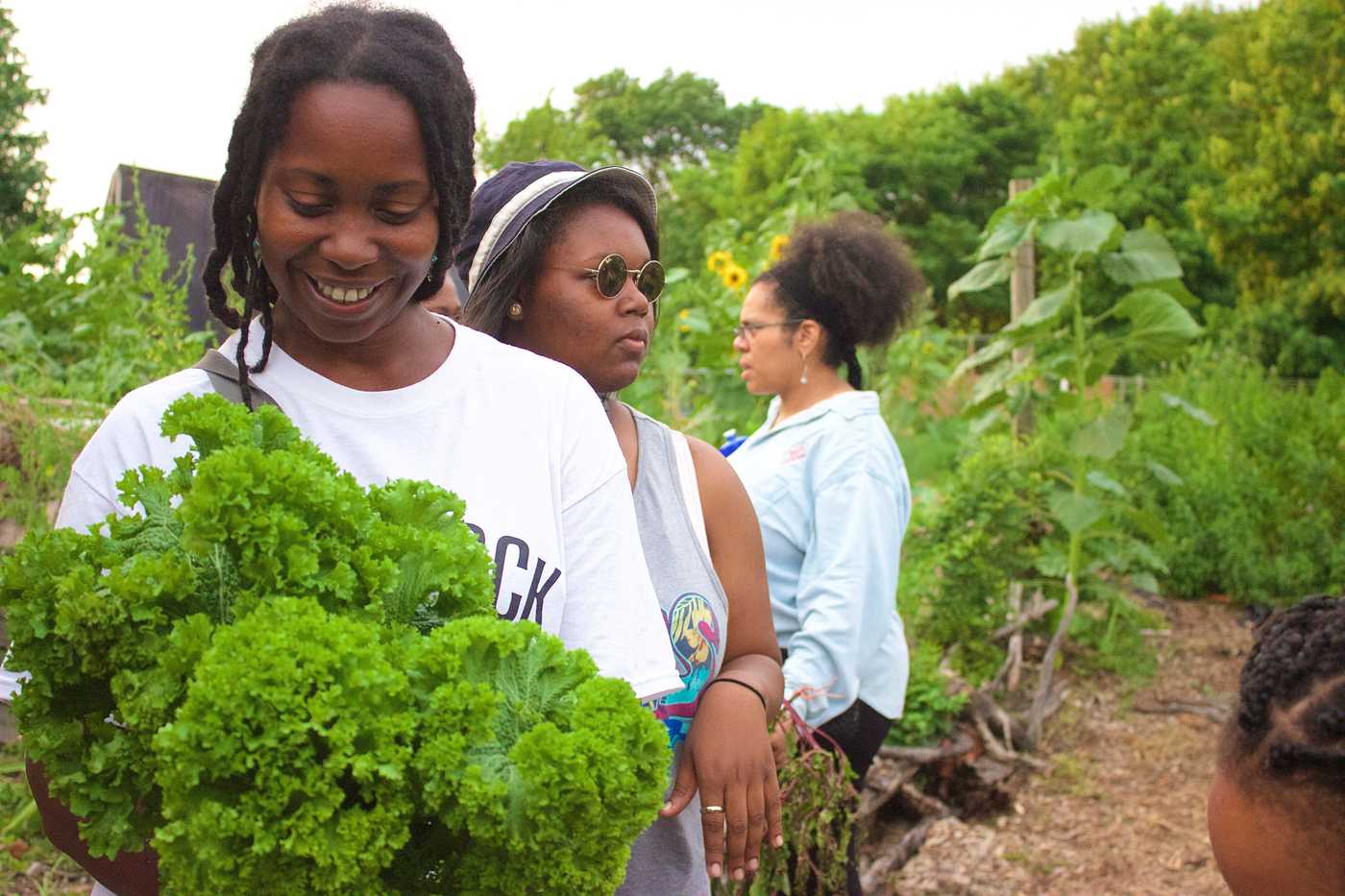
Gardens and farms provide people with exposure to greenness, opportunities for physical activity and potential benefits to the microbiome since exposure to soil and its many microorganisms can boost our gut health.
They offer spaces to connect and engage with our neighbors. They provide reclamation and renewal of our spiritual and ancestral relationships to the land. Community-led urban agriculture projects are a means of sharing education and information, strengthening social capital and support.
Agriculture can offer Black people opportunities for economic autonomy while providing safe spaces for community members to gather and celebrate without fear of criminalization or state-sanctioned brutality.
Black agriculture provides a way to engage with the disturbing history of this country, that we live in a place built on stolen Indigenous land and the brutal enslavement and stolen labor of my ancestors. It opens the door to us understanding how this all shapes our collective journey toward liberation.
Showing up for your community
It is in and through this work that my activism and scholarship intersect. As a scholar, I am intentional about how I frame my research. While there is value in establishing your reputation and securing tenure before challenging the status quo, I choose not to wait until I have a PhD, professorship, or tenure, to be bold and honest in my work.
Black land loss is happening now, across cities and rural communities. This is why as a student, I choose to name environmental racism and injustices in my research, pushing my department and school to think about the myriad of ways institutions have done harm to marginalized communities and to think about the sociopolitical and historical contexts that shape our present day environments.
And while that may leave some colleagues uncomfortable, you must get a little uncomfortable first in order to do and be better. Also, I hold myself more accountable to the communities I serve and with whom I work.
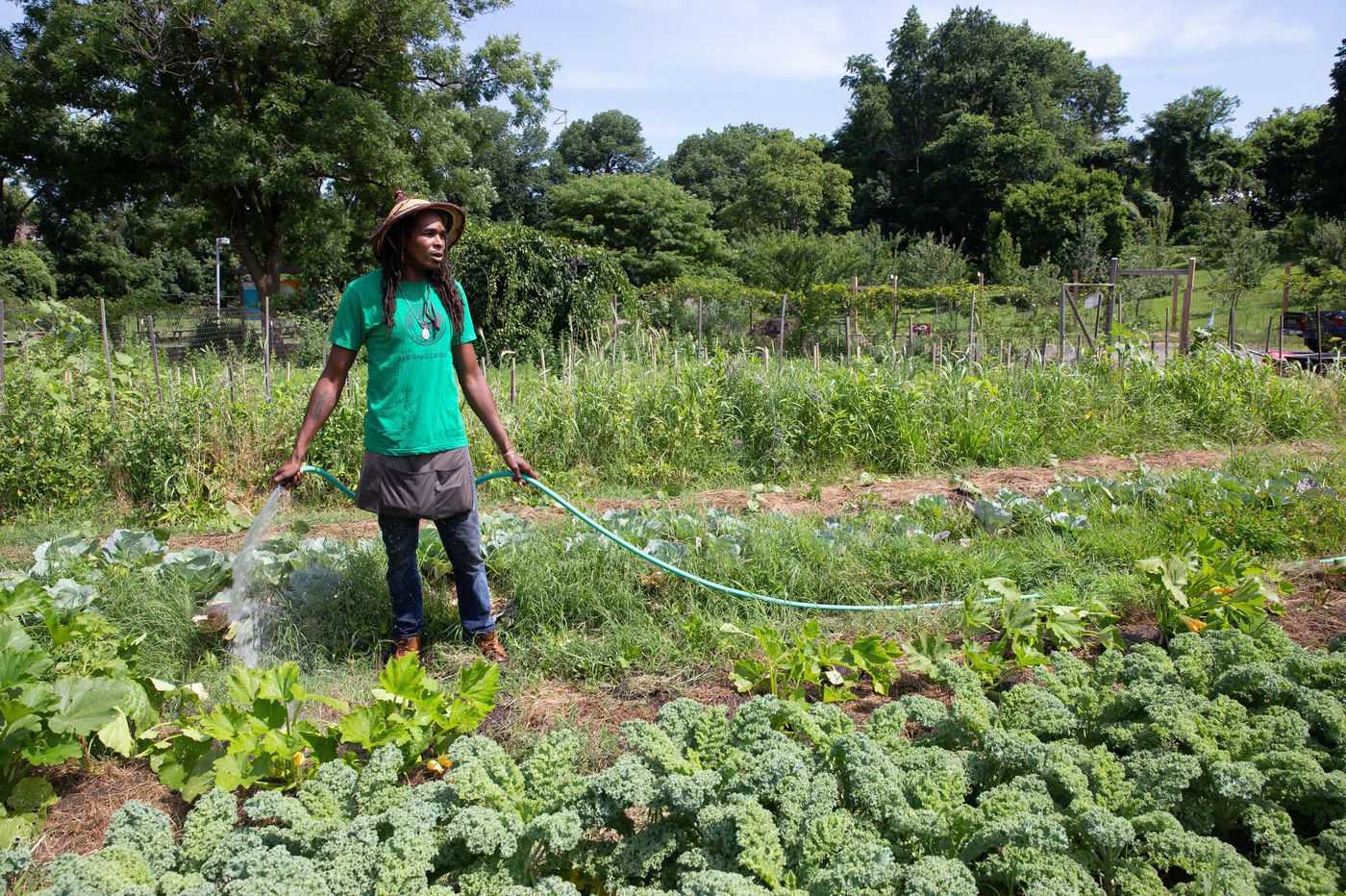
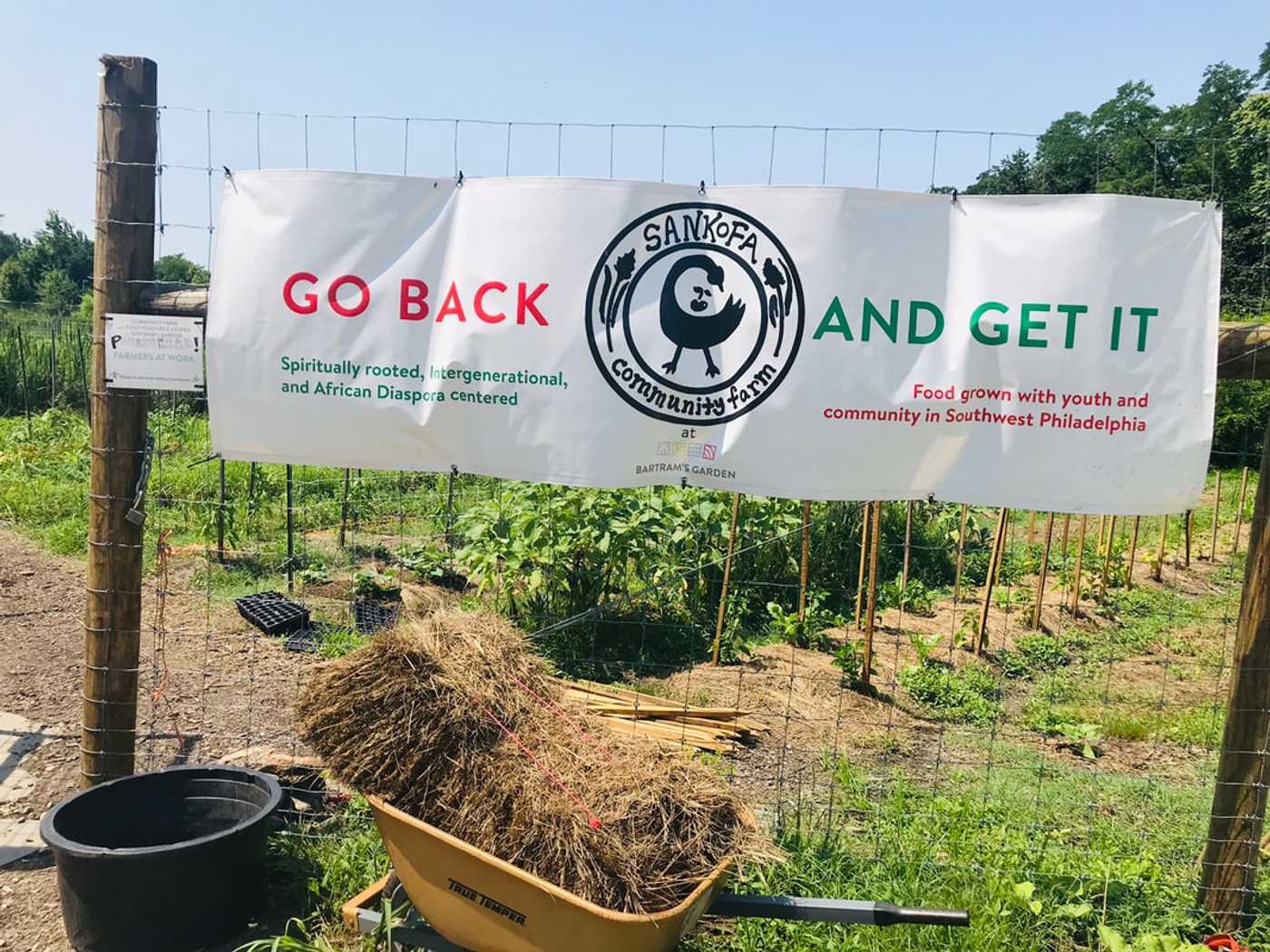
Black and Brown Philly farmers are who, in many ways, sent and gave me blessing to pursue graduate work as a means to support our collective agricultural resistance. Everything that I call out and choose to uplift in the academy I’ve learned from these communities and I will continue to acknowledge that in my research.
To me, my work is that of scholar-activism. It means being so committed to change, healing, and liberation in a place and for a community, that you continually show up for them. This requires sacrifice.
I am not advocating that everyone make these kinds of sacrifices, however, for me this looks like six-hour monthly drives from Boston, where I currently live, to be in community with these folks; to continually learn about what is happening on the ground in Philly, at home.
From community-based participatory research, to conference planning, to offering competitive stipends to all the community members who contribute this work, everything that I do and have done in the academy has been to amplify the voices of Black and Brown growers in Philly. At each step of the research process, I go back to this community to seek input.
The entire field of public health needs to rethink how it engages communities, especially considering that marginalized folks have the greatest understanding of the nuanced ways that environmental factors impact their communities. We must uplift and value their expertise and knowledge systems as much, if not more, than we do those with PhDs.